

What To Do Next If Your Pet Has Just Died - Complete Guide
Losing a pet can be deeply upsetting, especially when it happens suddenly or without warning.
In the first moments, it is common to feel shocked, overwhelmed, or unsure what to do next.
You may feel numb, panicked, or unable to think clearly - all of these reactions are normal.

You don't need to make decisions straight away.
In most situations, it is perfectly acceptable to pause, gather yourself, and spend a little time saying goodbye.
You Are Not Expected to Know What to do
Many people worry that they should already understand the correct steps, but this is rarely something anyone is prepared for.
You are not expected to have all the answers right now. This guide is designed to walk you through the practical aspects gently and clearly.
From what to do straight away, to caring for your pet respectfully, and the options available in the UK when you feel ready to make decisions.
You can read only what you need, skip sections, or return later.
You don't need to take everything in all at once.

One Step at a Time
The purpose of this guide is not to rush you, but to help you feel less alone and more certain about what to do next.
Each section focuses on a single stage of the process so you can move forward at your own pace.
Support and practical help are available when you are ready. For now, simply taking the next small step is enough.
Need to find a local pet crematorium in your area?
What To Do Immediately
Pause and Take a Moment
If your pet has just died, the most important thing is to pause and take a moment to breathe.
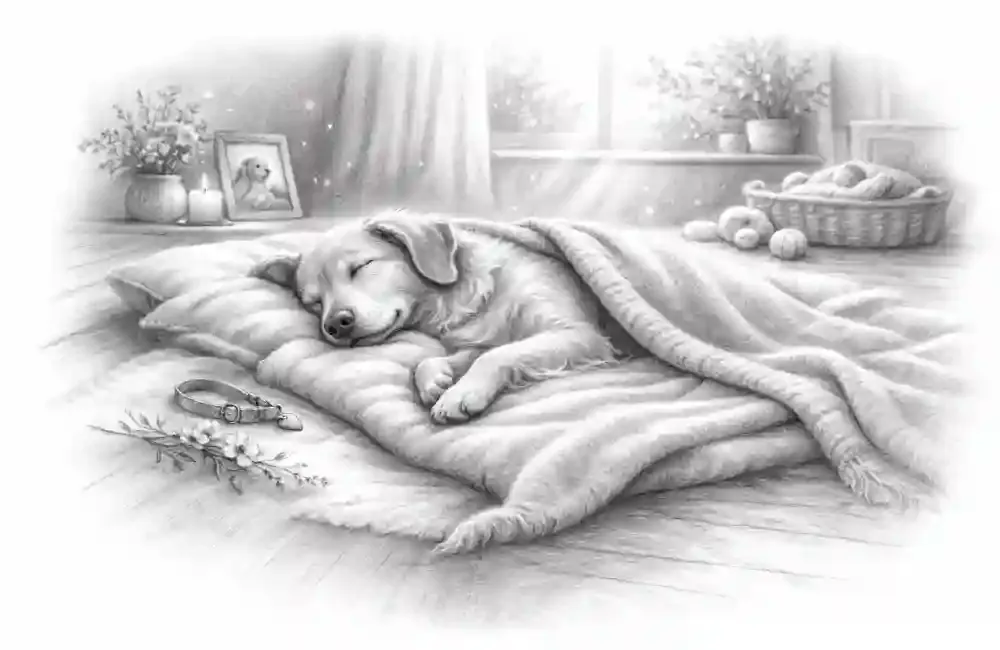
It can feel as though you should act straight away, but in most cases there is no need to rush.
You are allowed time to process what has happened and to say goodbye.
Confirming What has Happened
If you are unsure whether your pet has passed, look for gentle signs such as the absence of breathing, no response to touch or sound, and a lack of movement.
If you feel uncertain or would like reassurance, you can contact your veterinary practice for advice.
They may be able to confirm what to look for over the phone or arrange for your pet to be examined.
Spending Time Together
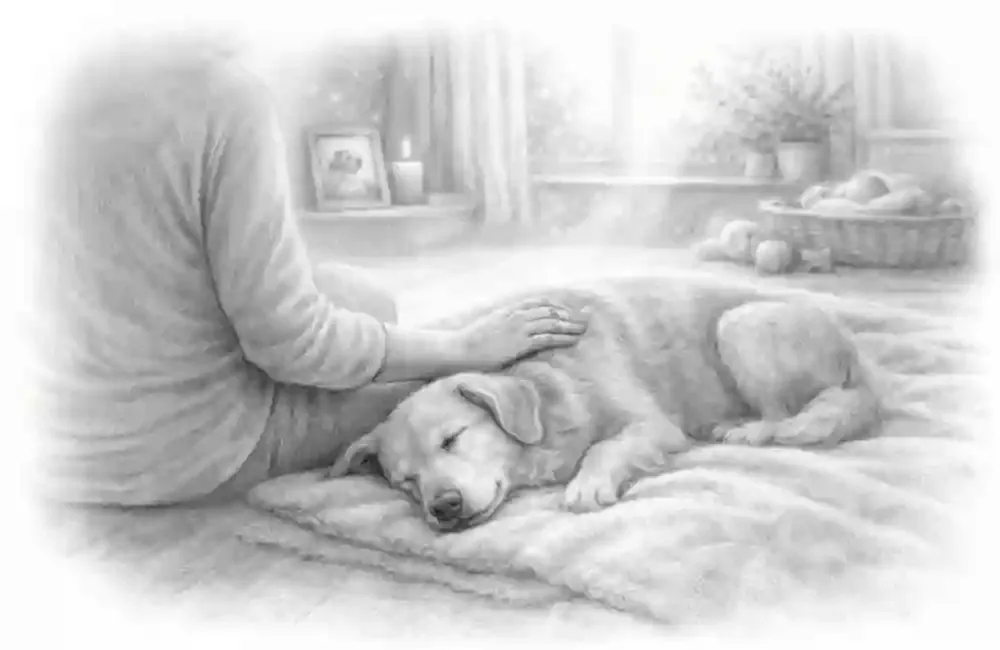
Spending time with a pet after they have passed is important for many people.
Some families choose to sit with them, speak to them, or simply be present.
There is no right or wrong way to do this, only what feels right for you.
Moving Your Pet to a Peaceful Place
When you feel ready, you may wish to move your pet to a calm, cool place in the home, away from direct heat or sunlight.
This helps preserve their dignity while you decide what to do next.
A favourite blanket, towel, or bedding can be used to gently wrap or cover them if you wish.
Simple Hygiene and Practical Steps
Basic hygiene precautions are usually sufficient.
Washing your hands afterwards and keeping other pets or young children from disturbing the body helps maintain a peaceful environment.
You do not Need to Decide Immediately
Above all, you do not need to make arrangements unless there are specific circumstances that require it.
Many people find it helpful to take a little time before contacting a vet or cremation provider.
When you are ready, you can move on to the next steps knowing that support and options are available.
If Your Pet Has Died at Home
When Loss Happens at Home
When a pet dies at home, it can feel extremely overwhelming because you may not have immediate guidance or support available.
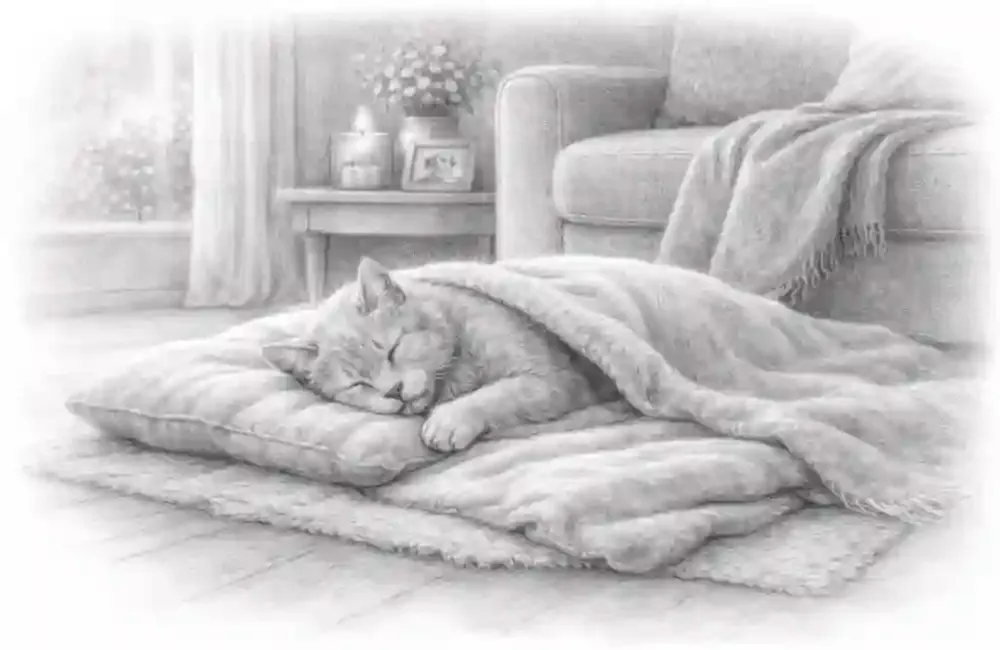
Whether the death was expected or sudden, many people are unsure who to contact, or what should happen next.
You don't need to handle everything at once, and support is there when you feel ready to reach out.
Contacting Your Veterinary Practice
If your pet passed naturally, you may wish to contact your usual veterinary practice during opening hours.
They can advise you on the next steps and discuss the options available.
If the death occurred outside normal hours, an emergency veterinary service can still offer guidance by phone and, in some cases, practical assistance.
If your pet was euthanised at home by a vet, they will normally explain what happens next and may arrange collection or cremation services on your behalf.
If this was not arranged in advance, you can contact the practice afterwards to discuss your options.
Collection and Transport Options
Many veterinary practices can accept your pet at the clinic, even if the death occurred at home.
Some areas also have independent pet cremation services that offer home collection, which can be helpful if transporting your pet yourself feels too difficult.
Availability varies by location, but these services are widely accessible across the UK.
If you prefer, you may take your pet to the veterinary practice or crematorium yourself.
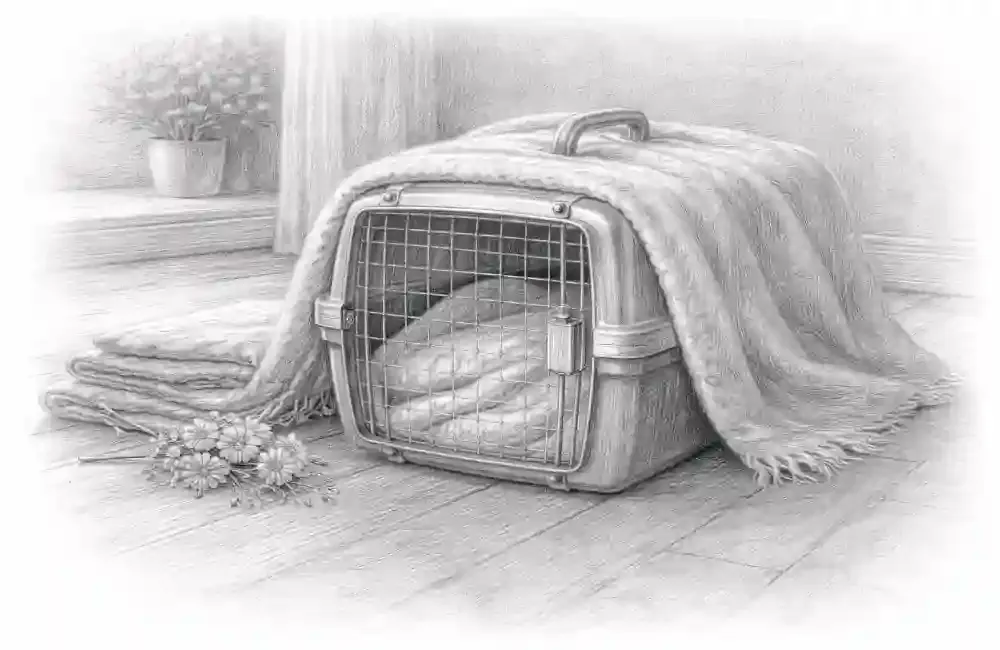
Before moving them, it can help to gently wrap the body in a blanket, towel, or bedding to keep them secure and dignified during transportation.
Placing them in a sturdy box, basket, or pet carrier can make handling easier, particularly for smaller pets.
Keeping Your Pet Comfortable While You Decide
If possible, keep the body in a cool place while arrangements are being made.
This helps preserve your pet respectfully and gives you time to decide what feels right without unnecessary urgency.
There is no single correct way to proceed. Some people prefer to act quickly, while others need a little time before making arrangements.
What matters most is choosing an approach that feels manageable and respectful for you and your pet.
If it Happens Overnight or on a Weekend
When Loss Occurs Outside Normal Hours
Losing a pet outside normal hours can feel particularly distressing, especially when you are unsure whether help is available straight away.
It is common to worry about whether you must act immediately, but in most situations, it is acceptable to wait until morning or until your veterinary practice reopens.
Getting Help During the Night or at Weekends
If you would prefer guidance right away, you can contact an out-of-hours or emergency veterinary service.
Most veterinary practices provide details of their emergency provider on their answering service or website.
These services can offer reassurance over the phone and advise you on practical next steps if needed. In some areas, they may also be able to receive your pet or arrange collection.
Keeping Your Pet Safe Until Help is Available
If you feel able to wait, keeping your pet in a cool, quiet place is usually sufficient until professional help is available.

Wrap them in a blanket or towel and keep them away from heat to preserve their dignity while you decide what to do next.
Many families choose a peaceful location in the home where they can spend a little time saying goodbye.
Reassurance About Waiting
Nothing harmful will happen simply because you wait a few hours.
While it is natural to feel anxious about doing the “right” thing, there is rarely a need to rush arrangements in the middle of the night unless you want immediate assistance.
Taking time to rest, gather your thoughts, or be with family members can make the next steps feel more manageable.
What to do in The Morning
When morning comes, you can contact your usual veterinary practice or a pet cremation provider to discuss the available options.
Support is still there, even if it does not feel that way in the moment, and you do not have to navigate this alone.
Caring for Your Pet’s Body
Gentle Handling and Comfort
After your pet has died, caring for their body can feel daunting, especially if you have never faced this situation before.
In most cases, simple, respectful care at home is all that is needed while you decide what to do next.
You do not need specialist equipment, and there is no need to do anything complicated.
It is generally safe to handle your pet gently. Many people choose to stroke them, hold them, or sit with them for a time.
If you feel comfortable doing so, you can carefully position their body in a natural resting pose.
Speaking softly or placing a familiar blanket nearby can help create a peaceful atmosphere.
Keeping the Body Cool
Keeping the body cool is important, but this does not usually require refrigeration.
Moving your pet to the coolest room in the home, away from direct sunlight, radiators, or underfloor heating, is often sufficient for a short period.
Hard flooring or a shaded area can also help keep the temperature slightly lower.
If arrangements end up taking longer than expected, additional cooling options can be discussed.

Choosing a Quiet Resting Place
Place your pet somewhere quiet where they will not be disturbed by other animals or young children.
Some families choose a favourite sleeping spot or a private corner of the home. The aim is simply to preserve your pet respectfully while giving you time to decide what happens next.
Need help to find a local pet cremation service in your area?
How Long You Can Wait
Reassurance That Time is Available
Many people worry that arrangements must be made immediately after their pet dies. In most situations, this is not the case.
You usually have time to think, speak with family members, and decide what feels right before contacting a veterinary practice or cremation provider.
Across the UK it is generally acceptable to wait until the next day, or sometimes longer, provided your pet is being kept in a cool and appropriate environment.
Acting the same day is not usually necessary unless you prefer to do so.
Factors That Affect How Long You Can Wait
Several factors influence how long you can reasonably wait:
Temperature - Cooler conditions slow natural changes, while warm rooms or direct sunlight speed them up.
Pet size - Smaller animals tend to change more quickly than larger ones.
Storage conditions - A shaded, cool location helps preserve your pet respectfully for longer.
If your home is warm, you may wish to move your pet to the coolest available room.
During colder weather, waiting overnight or until the next working day is often manageable for many families.
When More Urgent Action May be Needed
Urgent arrangements may be required if the environment is very warm, if there are concerns about hygiene, or if keeping your pet at home is becoming too distressing.
In these situations, an emergency vet or a cremation service with collection can advise you on the next steps.
Taking Time to Decide
If you need time to decide, it is perfectly reasonable to take it.
Many people feel pressure to act quickly, but thoughtful decisions are often easier after a short period to process what has happened.
Professional services understand this and are accustomed to speaking with families who are still coming to terms with their loss.
You are not expected to rush unless circumstances require it.
The most important thing is that your pet is kept somewhere calm and cool while you make arrangements in your own time.
Transporting Your Pet Safely
Preparing Your Pet for Transport
If you decide to take your pet to a veterinary practice or crematorium yourself, it is usually safe to do so.
Many families prefer this option, as it allows them to remain with their pet and make arrangements directly.
The aim is simply to move your pet securely and respectfully, with as little stress as possible.
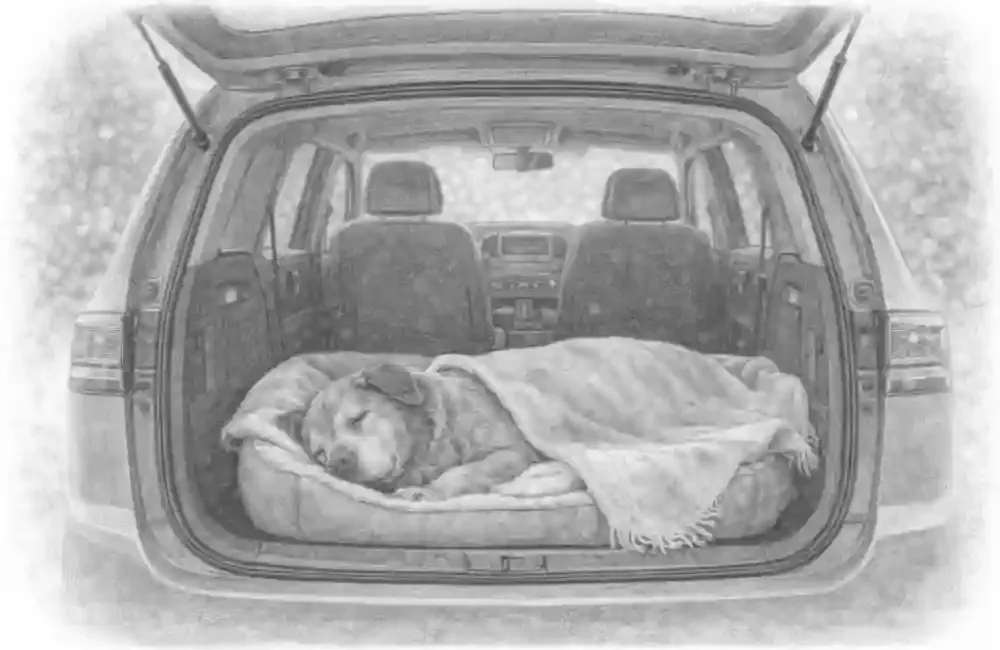
Before transport, gently wrap your pet in a blanket, towel, or their own bedding.
This helps keep them supported and maintains their dignity during the journey.
It can also make lifting and handling easier.
Choosing a Suitable Container
Suitable containers include:
A sturdy box lined with soft material
A pet carrier or travel crate
A covered basket or similar secure container
Choose something large enough to hold your pet comfortably without bending or compressing their body.
Positioning in the Vehicle
For smaller pets, place the container in a stable position in the vehicle, ideally on the floor or secured on a seat so it will not shift while driving.
For larger dogs carefully position them in the back of the car using their bed or blanket. Avoid placing it in direct sunlight or near strong heat.
If possible, travel directly to your destination to minimise time in the car.
Moving a Large Pet
Moving a large dog can be physically challenging, and it is completely reasonable to ask for help.
A second person can assist with lifting, or you may prefer to contact a service that offers home collection.
Using a blanket as a makeshift stretcher, with one person holding each end, can help distribute weight and reduce strain.
Handling With Care
Handle your pet as you would when they were alive: calmly, gently, and with care.
Speaking softly or taking a moment before moving them can make the experience feel less abrupt.
If at any point the process feels too difficult, professional collection services are available in many areas and can take over when you are ready.
There is no single correct way to transport your pet.
What matters most is choosing an approach that feels manageable, safe, and respectful for both you and your pet.
If Your Pet Dies at the Vet
What Happens Immediately
When a pet dies at a veterinary practice, whether unexpectedly or following euthanasia - the staff will guide you through the immediate next steps.
Veterinary teams handle these situations regularly and aim to do so with sensitivity and respect. You will usually be given time to say goodbye in private.
When you feel ready, the practice will explain the options available for your pet’s aftercare.
This often includes cremation services arranged through a trusted provider, but you are not required to decide immediately.
Aftercare Options the Practice May Offer
Most practices can offer one or more of the following:
Individual (private) cremation, where your pet’s ashes are returned to you
Communal cremation, where ashes are not returned
Assistance with memorial items or keepsakes
Temporary holding of your pet until arrangements are confirmed
If you would like your pet’s ashes returned, the practice will usually explain how this works and how long it may take.
Choosing a Different Provider
You are not obliged to use the veterinary practice’s cremation service.
If you prefer a different provider, you can request that your pet be released to you or transferred elsewhere.
Many families choose to take their pet home for a period of time before making final arrangements, and this is often possible if you feel comfortable doing so.
If you decide to take your pet home, the staff can help prepare them for transport and offer practical advice.
Some practices may also provide a container or wrapping to ensure your pet can be moved safely and respectfully.
Consent Forms and Making Decisions
You may be asked to sign a consent form confirming your chosen arrangements.
This simply records your instructions so the practice can proceed appropriately.
If you are unsure, it is acceptable to ask for clarification or to take time before signing.
There is no expectation that you must decide everything while you are distressed.
Veterinary professionals understand that this is a difficult moment, and most will support you in making arrangements later if needed.
The most important thing is that you feel comfortable with the decision and understand what will happen next.
Deciding What Happens Next
When the initial shock begins to ease, you may start thinking about what you would like to happen to your pet’s body.
This can be one of the hardest decisions to make, and there is no single “right” choice, only what feels most appropriate for you, your family, and your pet.
In the UK, the two main options are cremation or burial.
Veterinary practices and independent providers can explain these in more detail, but a general understanding can help you begin to consider what feels right.
Cremation Options
Pet cremation is the most common choice and is widely available throughout the UK. There are typically two main forms:
Individual (private) cremation - Your pet is cremated separately, and their ashes are returned to you.
Communal cremation - Several pets are cremated together, and ashes are not returned. They are usually scattered respectfully in a memorial area.
Some crematoria also offer attended cremation, where you can be present at the start of the process if you wish. This option is not available everywhere, but many families find comfort in it.
If you would like a better understand of how pricing is applied, you may find our guide on pet cremation costs in the UK helpful.
Burial Options
Some families prefer burial, either at home or in a dedicated pet cemetery. Home burial is generally permitted in the UK provided certain conditions are met.
This usually includes the pet not being classed as hazardous waste and the burial taking place on land you own with appropriate depth and location.
If you are unsure, a vet or local authority can provide guidance.
Pet cemeteries are another option and may offer formal plots and memorial markers.
Memorial Choices
If you choose cremation and ashes are returned, there are many ways to remember your pet. Some people keep the ashes at home in an urn or container.
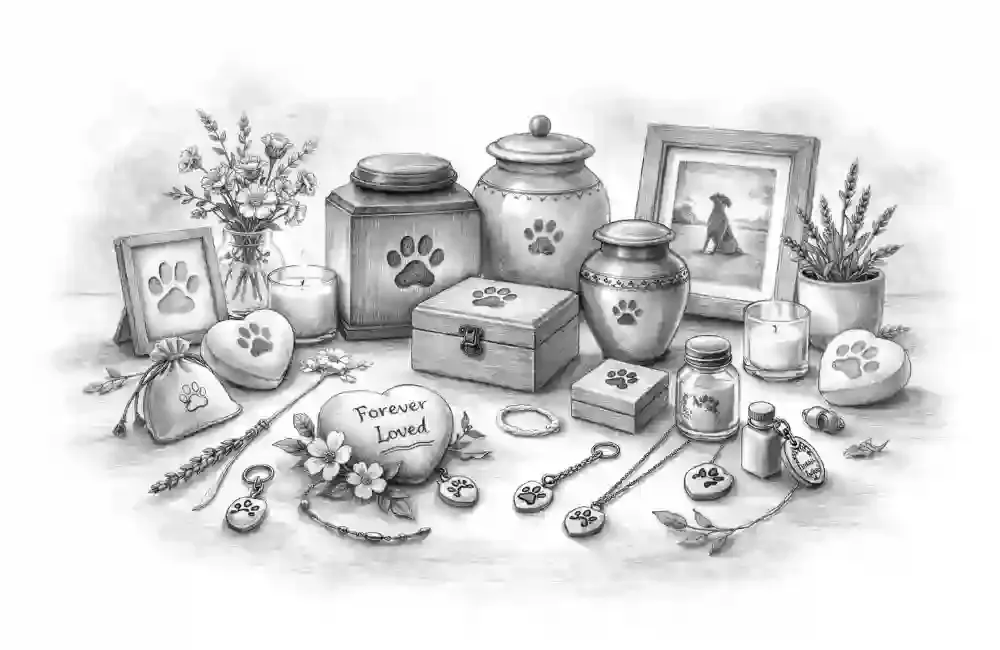
Others may choose to scatter them in a meaningful place (where permitted), or choose a small keepsake item.
Others may prefer a non-physical memorial, such as planting a tree or creating a quiet space at home.
You do not need to decide immediately unless circumstances require it.
Many providers and veterinary practices can hold your pet for a short period of time which then gives you the chance to consider your options.
Taking time to reflect, discuss with family members, or simply sit with the decision is entirely reasonable.
Whatever you choose, the most important thing is that it feels respectful and meaningful to you.
Finding a Local Cremation Provider
When you feel ready, you may wish to explore local pet crematoriums. If you are unsure where to begin, Pet Loss Aftercare can help you find a local pet cremation provider in your area.
Some families prefer to arrange this through their veterinary practice, while others contact a crematorium directly.
Both approaches are common in the UK, and reputable providers will handle your pet with care and respect.
Choosing a provider can feel daunting at first, especially when you are grieving. It may help to focus on a few key considerations rather than trying to evaluate everything at once.
You may wish to look for:
Clear information about services offered (individual or communal cremation)
Transparent explanation of how ashes are handled and returned
Collection options from home or veterinary practice
A calm, respectful approach to communication
Established premises or clear contact details
Reputable providers will usually be willing to answer questions and explain their procedures without pressure.
You might consider asking:
Whether your pet will be cremated individually
How and when ashes will be returned (if applicable)
Whether attended cremation is available
What collection arrangements are offered
How long the process typically takes
You do not need to ask every question at once. Even a brief conversation can help you feel more confident about your choice.
Using a reputable service is important for peace of mind.
Veterinary practices often work with trusted providers, but independent crematoria are also available.
What matters most is that you feel comfortable with the arrangements and the way your pet will be cared for.
If you are unsure where to begin, you can explore providers by location to see what is available in your area.
Find A Local Pet Cremation Service In Your Region:
Take your time when making contact.
Most providers understand how difficult this moment is and will speak with you gently, guiding you through the options step by step.
Emotional Support & Memorials
Losing a pet can be as painful as losing any loved one. Feelings of sadness, shock, guilt, or even numbness are all normal responses to grief.
There is no “correct” way to feel, and no set timeline for healing.
For many people, the bond with a pet is deep and personal, and the loss can leave a significant emptiness in daily life.
Is it Normal to Feel This Upset?
Yes. Grief after losing a pet can be intense because for animal lovers they are more than just a pet. They are a cherished companion, emotional support and a loyal member of the family.
It's common to feel waves of sadness, disbelief, anger, or even relief if your pet had been suffering. All of these responses are valid.
Support Organisations
If you are struggling, it may help to talk to someone who understands.
Friends, family members, or others who have experienced pet loss can offer comfort, but professional support is also available if you need it.
In the UK, organisations such as the Blue Cross Pet Bereavement Support Service provide confidential help by phone, email, or webchat.
Veterinary practices may also be able to suggest local resources or counselling services.
Children can be especially affected by the loss of a pet, sometimes in ways that are not immediately obvious.
Honest, age-appropriate conversations can help them understand what has happened and reassure them that their feelings are valid.
Encouraging children to express their emotions, through talking, drawing, or remembering happy moments can help them process the loss.
Maintaining familiar routines can also provide a sense of stability during a difficult time.
Creating a Meaningful Memorial
Many families find comfort in creating a small memorial. This does not have to be elaborate, simple gestures are often the most meaningful.
Ideas that some people find helpful include:
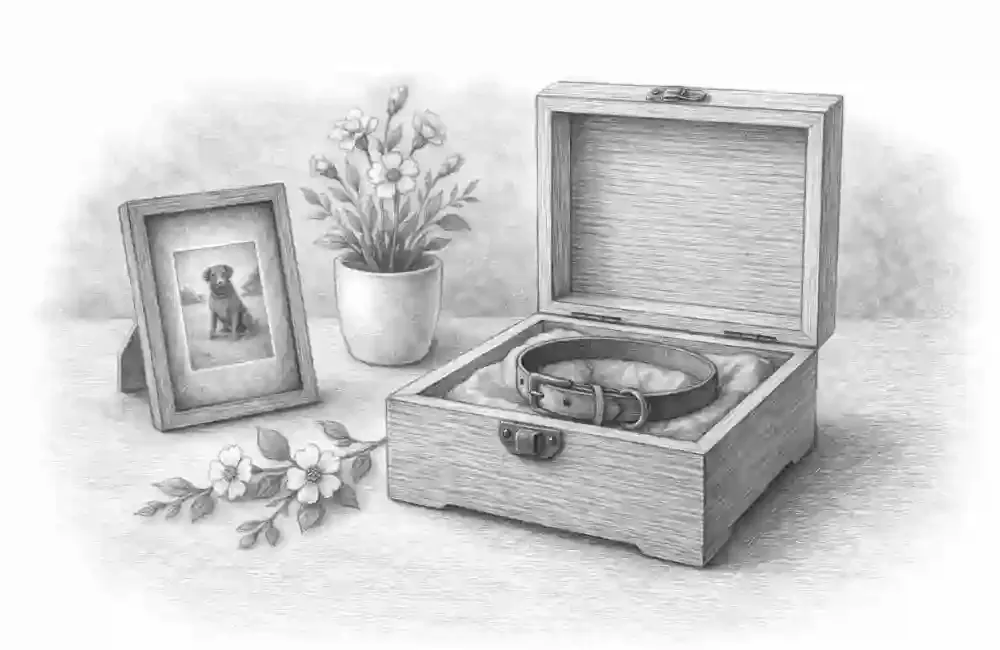
Keeping a favourite photo or collar in a special place
Lighting a candle on anniversaries or significant dates
Planting a tree or flowers in your pet’s memory
Creating a memory box with toys or mementoes
Choosing a keepsake item such as a paw print impression
Moving Forward at Your Own Pace
Grief often comes in waves, and it is common to feel better one day and overwhelmed the next.
Over time, many people find that the sharpness of loss softens, leaving space for gratitude and fond memories.
Allow yourself to move forward at your own pace, without pressure to “get over it.”
While nothing can replace your pet, support, remembrance, and time can help you adjust to life without them.
When you feel able, focusing on the love and companionship you shared can be a gentle step toward healing.
You Don’t Have to Face This Alone
Losing a pet can feel isolating, especially if others do not fully understand the depth of the bond you shared.
Yet many people experience this same loss, and support is available when you need it, whether from family, friends, professionals, or others who have walked a similar path.
Reaching out For Support
If the days ahead feel difficult, it can help to focus on small, manageable steps.
Reaching out to someone you trust, even just for a brief conversation, can ease the feeling of carrying everything on your own.
Some people find comfort in quiet reflection, while others prefer to stay occupied or surrounded by company. There is no correct way to cope.
What matters is allowing yourself the time and space you need without pressure or expectation.
When Additional Help May be Needed
If you are struggling more than you expected, professional support services are there to help.
Speaking with someone who understands pet loss can make a significant difference, particularly if grief is affecting sleep, appetite, or daily functioning.
Support organisations, counsellors, and veterinary practices can offer guidance or direct you to appropriate services if needed.
Holding on to The Love You Shared
In time, many families find that the pain of loss gradually softens, replaced by memories of companionship, loyalty, and love.
Your pet’s life mattered, and the bond you shared does not disappear, it becomes part of your story.
Whenever you feel ready, support, guidance, and practical help are available.
You do not have to navigate this experience alone, and there is no timetable for healing.
If your pet has only just passed away and you need quick guidance, you can read our quick guide to what to do when a pet dies.
FAQs - Questions People Ask Us When Their Pet Has Just Died
No you don't need to rush. In most situations it's completely fine to take some time before making any calls. Sit with your pet, gather yourself, and let the people around you know what's happened. There's no rule that says you have to act immediately, and most vets and cremation providers fully understand that.
Yes, in most cases you can. Move your pet to the coolest room in the house, away from direct sunlight or heat sources, and wrap them gently in a blanket. This keeps them comfortable and dignified while you take the time you need. Most families find waiting until the next morning is perfectly manageable.
Look for the absence of breathing, no response to touch or sound, and no movement. If you're unsure or need reassurance, call your vet - even out of hours, most practices have an answerphone with emergency contact details and someone can talk you through what to look for.
You don't have to do anything right now if you don't want to. Keep your pet in a cool, quiet place and wait until morning when your vet or a cremation provider opens. If you need immediate support or guidance, your vet's out of hours service can help. You're allowed to just sit with your pet and take the time you need.
This depends on a few things - mainly the temperature of your home and the size of your pet. In a cool environment, waiting until the next day or even a day or two is usually fine. Smaller pets and warmer rooms mean you may need to act a little sooner. When in doubt, call your vet or a local cremation provider and they'll give you honest guidance without any pressure.
No not at all. Your vet's service is convenient but you're completely free to choose an independent cremation provider if you prefer. Going direct to a crematorium can sometimes give you more choice over the type of service, the urn or casket, and occasionally the cost too. You can ask your vet to release your pet to you or to a provider of your choice.
Completely and absolutely normal. The bond between a person and their pet is real and deep - losing them can be every bit as painful as losing any loved one. Whatever you're feeling right now - shock, sadness, numbness, even guilt, it's valid. You don't need to justify how much this hurts to anyone.
Keep your pet somewhere cool and quiet and wait until Monday if you can. If you need guidance sooner, most vet practices have an out of hours or emergency service - check their website or answerphone for details. The Blue Cross Pet Bereavement Support Service is also available if you just need someone to talk to. You don't have to navigate this alone, even at the weekend.
More Information You May Find Helpful
Are you a pet cremation provider in the UK?
Pet Loss Aftercare - a resource created by pet owners, for pet owners 💛
Found this page helpful?




Created with ©systeme.io