

Quality Of Life HHHHHMM Scale For Dogs And Other Pets Free Interactive Score And Tracking Tool
How To Assess Your Pet's Quality Of Life
A Pet Quality of Life assessment is a tool used to objectively evaluate a pet's wellbeing based on their physical comfort, social interaction, and happiness.
This assessment helps pet owners determine if their pet is still enjoying a good quality of life or if they are experiencing significant pain or distress.
Our assessment focuses on three key areas by monitoring the seven H5M2 factors on the clinically recognized HHHHHMM Scale:
Physical Health: Mobility, appetite, and pain management.
Social Interaction: Desire for companionship and play.
Overall Happiness: Mental alertness and "good days vs. bad days."
A pet's quality of life is assessed by monitoring seven key factors:
Hurt, Hunger, Hydration, Hygiene, Happiness, Mobility & "More Good Day Than Bad".
This tool was created to help people who are caring for the following beloved family pets : Dogs, Cats, Rabbits, Guinea Pigs, Hamsters, Birds, Horses, Rats, Snakes, Lizards, Tortoises and last but certainly not least Fish.
Deciding when to say goodbye is one of the hardest choices a pet owner will face. This tool is designed to help you gain clarity and peace of mind during this difficult time.

Pet Quality of Life Score
A gentle, honest guide based on the HHHHHMM Quality of Life Scale - developed by Dr Alice Villalobos. Score your pet weekly to track how they are doing over time.
This tool supports your conversations with your vet - it is not a clinical diagnosis. Always consult your vet about your pet's individual health and condition.
How scored across each area
Weekly score history
Each time you score , the result is added here so you can see whether things are stable, improving, or declining over time.
A score of 35 or above generally indicates an acceptable quality of life. A score consistently below 35 is a signal to speak with your vet. This is a guide, not a diagnosis - your vet's clinical knowledge of your pet's specific condition is always the most important factor.
There are moments in an animal's illness when the questions become harder than any answer your vet can give you. Not medical questions - the other ones.
Is my pet in pain? Are they still enjoying their life? Am I doing the right thing by continuing? Am I doing the right thing if I don't? These questions sit with you. They wake you up at three in the morning. They follow you through your day.
This tool won't answer them for you - nothing can do that, and you should be wary of anything that claims otherwise. What it can do is help you see your pet's situation a little more clearly, put some shape around what you're observing, and give your vet an honest record of what's happening.
You don't need to have all the answers before you start. Just score honestly, based on what you're seeing - not what you hope, not what you fear but what has happened each day.
What Is The HHHHHMM Quality Of Life Scale?
The quality of life scorer on this page is based on the HHHHHMM Scale - a framework developed by Dr Alice Villalobos, a veterinary oncologist who has spent decades working in palliative and end of life care for animals.
The scale was first published in Veterinary Practice News in 2004 and later included in her book Canine and Feline Geriatric Oncology: Honouring the Human-Animal Bond, published by Blackwell in 2007. It has since been adopted by vets and animal welfare organisations around the world.
The letters stand for seven factors that together give a picture of an animal's quality of life:
Hurt - Is pain being managed? Can they rest comfortably?
Hunger - Are they eating enough to maintain reasonable strength?
Hydration - Are they staying adequately hydrated?
Hygiene - Can they stay reasonably clean and comfortable?
Happiness - Is there still a spark? Do they respond to you?
Mobility - Can they move independently and reach what they need?
More Good Days Than Bad - Looking at the week as a whole for a broader view.
Each factor is scored from 1 to 10. A total score above 35 generally suggests an acceptable quality of life. A score consistently below 35 is a signal that something needs to change - and that a conversation with your vet is important.
This tool adapts the HHHHHMM framework for twelve different species - because a dog in pain shows it very differently to a cat, a rabbit, or a fish. The guidance you receive is written specifically for your type of pet, not a generic one-size-fits-all answer.
How To Use This Tool
Using this score tool is straightforward. Here is all you need to do.
Step 1 - Select your pet type from the options at the top. There are twelve species to choose from. Selecting your pet means the descriptions and guidance throughout the tool are written specifically for that animal.
Step 2 - Enter your pet's name so we know exactly who your beloved companion is.
Step 3 - Score each of the seven HHHHHMM factors honestly. For each one, move the slider to the number that best reflects what you are actually seeing. Each position on the slider shows you a plain English description - read it and see if it matches your pet. Score based on what is true today, not what you hope will improve or what things were like last month.
Step 4 - Read your result. You will see a total score, a breakdown of how your pet scored across each area, and warm guidance on what the score suggests and what to do next.
Step 5 - Share or print your results. Use the print button to take a copy to your vet, or the share button to send the result to a trusted friend or family member. Your vet can use these scores as a starting point for a quality of life conversation - many practices now offer dedicated quality of life consultations for exactly this purpose.
One important thing to remember - this tool is a guide, not a diagnosis. Your vet's clinical knowledge of your pet's specific condition is always the most important factor. Use this to start conversations, not to end them.
Your scores are saved privately on this device only. Nothing is sent to any server. Score your pet weekly and the tool will build a chart showing whether things are stable, improving, or declining over time - something genuinely useful to share with your vet.
What To Look For - Understanding Your Pet's Signals
One of the most important things to know before you score your pet is that different animals show pain, illness and declining quality of life in completely different ways.
Understanding what to look for in your specific animal makes the difference between spotting something important early and missing it entirely.

Dogs
Dogs are generally more expressive than most other animals, but they can still mask discomfort - particularly breeds that were developed to be stoic, such as many working and hunting dogs.
Signs that a dog may be struggling include restlessness and an inability to settle, whimpering, yelping, or crying, changes in posture such as hunching or holding a leg.
Also a loss of interest in people, food, or play, a tail that stays still when it would usually wag.
You may also notice significant changes in breathing or panting without exertion. A dog who has always greeted you at the door but no longer does is telling you something worth paying attention to.
Cats
Cats are prey animals and instinctively hide signs of vulnerability - which means by the time a cat is showing obvious signs of pain or distress, they have often been struggling for some time.
The signs are subtler: hiding in unusual places, reluctance to jump or climb, a coat that is less well-groomed than usual.
Another sign can be changes in litter tray use, reduced vocalisations, or sitting hunched with their eyes partially closed.

A cat who has always sought your company but now avoids it is worth watching carefully.

Rabbits
Rabbits are prey animals who hide pain extremely well. By the time a rabbit shows obvious signs of distress, the situation is often serious.
Key warning signs include tooth grinding - a deep grinding sound called bruxism - a hunched posture with all four feet on the ground and the back rounded.
Another sign is reduced or absent eating of hay (which is always serious in rabbits), reduced droppings, and a reluctance to move.
A rabbit who sits alone in a corner rather than engaging with their environment or other companions needs attention.
Guinea Pigs
Guinea pigs are social, vocal animals and their silence is one of the most telling signs that something is wrong.
A guinea pig who stops “wheeking” - the characteristic excited squeak they make at feeding time - is often unwell.
Other signs include hunched posture, teeth chattering (a sign of pain or distress), weight loss, reduced movement, and a coat that looks rougher than usual.

Guinea pigs can decline rapidly, so changes in behaviour should always be taken seriously quickly.

Hamsters
Hamsters are small and can deteriorate very quickly when unwell. Because they are naturally most active at night, problems can go unnoticed during the day.
Signs of declining quality of life include not using their wheel, not filling their cheek pouches with food, a wet tail (which indicates a serious digestive condition), a hunched or unsteady walk.
Another sign can be spending most of their time sitting still in one spot rather than exploring. A hamster who no longer reacts to handling or food is telling you something important.
Birds
Birds are particularly adept at hiding illness - in the wild, a visibly sick bird becomes a target for predators, so they mask vulnerability instinctively.
By the time a bird looks unwell, they are often significantly ill.
Key signs include feathers that are permanently fluffed rather than smooth, sitting on the cage floor rather than perching, eyes that are partially or fully closed during the day, reduced vocalisation or complete silence, not eating, and a change in droppings.

A bird who has always been vocal and interactive but becomes quiet and withdrawn needs veterinary attention promptly.

Horses
Horses are stoic animals capable of masking significant pain - colic being the exception where pain is often dramatic and obvious.
Signs of declining quality of life in a horse include dull or glazed eyes with a lack of interest in surroundings, reduced response to familiar people.
Also ears that are held back or down rather than forward and alert, quidding - dropping partially chewed food - which can indicate dental pain, changes in stance or weight distribution, and reluctance to move.
A horse who stops coming to the gate or fence when they normally would, is worth paying close attention to.
Rats
Rats are intelligent, social and surprisingly expressive - and they age quickly, with most rats considered senior by two years.
Signs of declining quality of life include hind leg degeneration, which is common in older rats and shows as dragging of the back legs, reduced grooming of themselves or their cage companions.
Also weight loss which can be felt along the spine, respiratory noise or laboured breathing which is particularly common in rats, and a lack of interest in play or interaction.
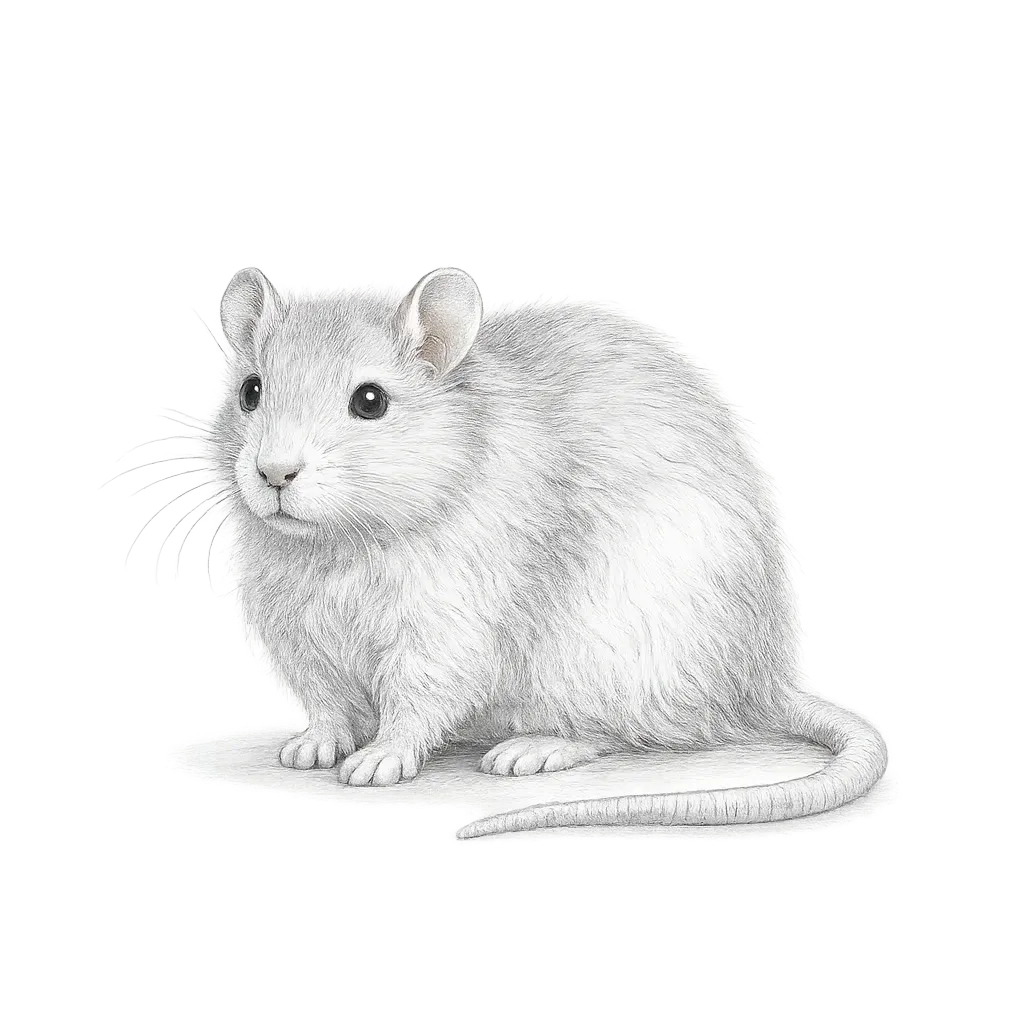
A rat who no longer bruxes - the gentle teeth grinding that indicates contentment - when handled is a rat whose wellbeing deserves attention.

Snakes
Snakes show illness in ways that require careful observation because they are naturally still for extended periods.
Signs of concern include wheezing or clicking sounds when breathing, which can indicate a respiratory infection, open-mouth breathing, abnormal postures such as stargazing - where the head points upward.
Also retained shed which suggests dehydration or underlying illness, a lack of tongue flicking which normally indicates alertness and interest, and regurgitation of food.
A snake who has always fed reliably but begins refusing prey consistently needs veterinary attention.
Lizards
Lizards are highly dependent on correct temperature and lighting to regulate their body temperature and immune function, so husbandry issues can quickly become health issues.
Signs of declining quality of life include failure to bask, dull or sunken eyes, retained shed particularly around the toes which can cause constriction and tissue damage.
Also a loss of colour compared to their normal vibrancy, weakness in the limbs, and open-mouth breathing.
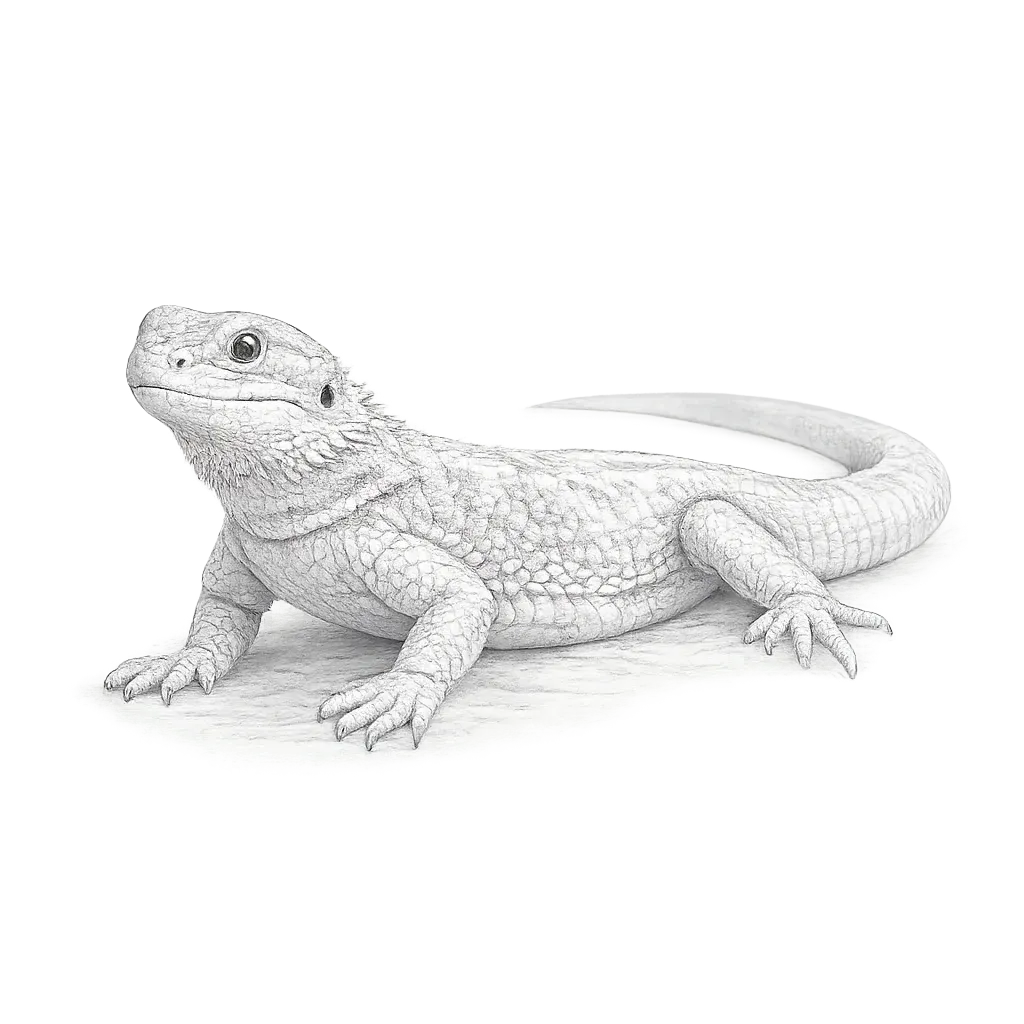
A lizard who lies flat and unresponsive when they would normally be alert and active is showing significant signs of concern.

Tortoises
Tortoises are long-lived and slow-moving, which makes changes in their behaviour particularly significant.
Signs of declining quality of life include failure to eat despite appropriate temperatures and food availability, not drinking during soaks, sunken or partially closed eyes, a shell that looks dull or shows signs of rot, and extreme lethargy beyond their normal slow pace.
Because tortoises hibernate, it is important to know your individual animal's normal patterns before interpreting reduced activity.
A tortoise who is not in hibernation but refuses to eat or move is a tortoise who needs veterinary attention.
Fish
Fish are often the most overlooked animals when it comes to quality of life assessment, but fish can experience pain and distress, and their owners can develop deep bonds with them.
Signs of declining quality of life include lying on the bottom of the tank or floating at the surface, abnormal swimming such as listing to one side or swimming in circles.
Also raised scales which can indicate a condition called dropsy, protruding eyes, fin damage or fin rot, a loss of colour, and a failure to respond to feeding.
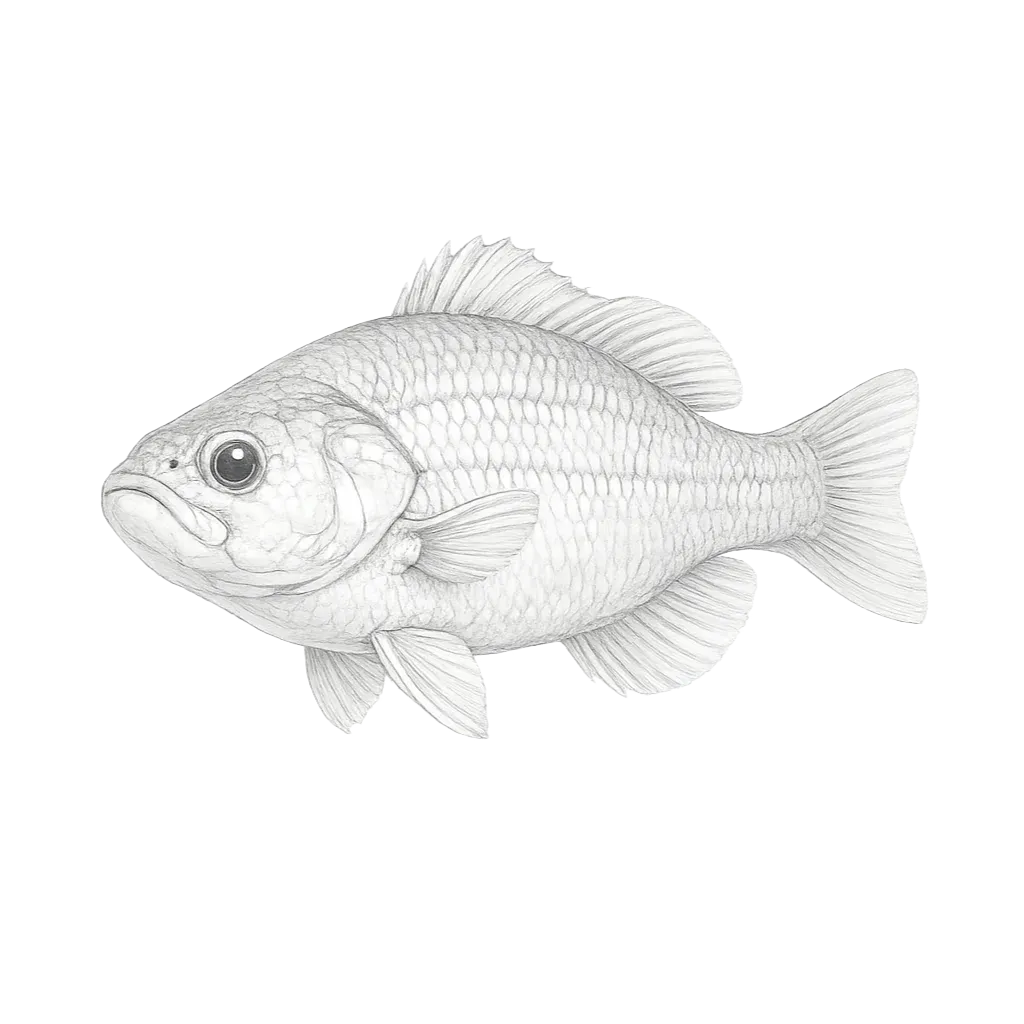
Water quality is almost always a factor in fish health, so testing the water is always the first step when a fish appears unwell.
What Your Score Means
The HHHHHMM scale gives a total score out of 70. Here is what different score ranges generally suggest - remembering always that these are guides, not verdicts, and that your vet's assessment of your pet's specific condition always takes precedence.
A score of 50 or above suggests that quality of life across most areas appears reasonable. Your pet is likely having more comfortable and engaged moments than difficult ones. Continue monitoring weekly and share your scores with your vet at your next appointment.
A score between 35 and 49 suggests some areas of concern. Your pet may be struggling in one or more areas while managing reasonably in others. A conversation with your vet soon is worth having - not to make any immediate decisions, but to understand what you are seeing and what options exist to improve the areas of concern.
A score below 35 consistently suggests that quality of life may be significantly compromised across several areas. This is the threshold Dr Villalobos identified as the point at which quality of life is no longer acceptable for palliative care to continue.
A score in this range is a strong signal to speak with your vet as soon as possible. It does not mean the worst is inevitable - some situations can be improved with better pain management or other interventions - but it does mean the conversation cannot wait.
When To Act
If your pet's scores have been consistently low over several weeks, or if you are seeing a steady downward trend in the weekly chart, it is time to have an honest conversation with your vet.
Many vet practices now offer dedicated quality of life consultations - a specific appointment focused entirely on discussing your pet's condition, their comfort, and your options. These are not the same as a standard health check.
They give you and your vet the time to talk properly, to look at the scores together, and to think through what is in your pet's best interests. If you would prefer your pet to be in a familiar, peaceful environment for their final moments, home euthanasia is an option available across much of the UK.
A vet comes to your home, and your pet is able to pass away calmly in the place they know best. Ask your vet whether they offer this service or can refer you to someone who does.
For a deeper understanding of the HHHHHMM framework and what quality of life means for a pet at the end of their life, our guide - How to Know When It's Time - A Guide to Your Pet's Quality of Life - covers this in full.
Support For Yourself
Whatever you are going through right now, you do not have to go through it alone. There is support available to help you through this difficult and upsetting time.
The Blue Cross Pet Bereavement Support - free, confidential, and available every day from 8.30am to 8.30pm - 0800 096 6606.
The Ralph Site - compassionate online community for anyone navigating pet loss.
Coping With Pet Loss → How Long Does Grief Last and How To Heal
Need To Find A Pet Crematorium Near You?
If you have recently lost a pet and need to find a pet cremation service, Pet Loss Aftercare can help during this difficult time.
When you feel ready, you can browse pet cremation and aftercare providers by location to see what services are available in your area.
Pet Cremation Providers In England
- Bedfordshire
- Berkshire
- Bristol
- Buckinghamshire
- Cambridgeshire
- Cheshire
- Cornwall
- Cumbria
- Derbyshire
- Devon
- Dorset
- Durham
- East Riding of Yorkshire
- East Sussex
- Essex
- Gloucestershire
- Greater London
- Greater Manchester
- Hampshire
- Herefordshire
- Hertfordshire
- Isle of Wight
- Kent
- Lancashire
- Leicestershire
- Lincolnshire
- Merseyside
- Norfolk
- North Yorkshire
- Northamptonshire
- Northumberland
- Nottinghamshire
- Oxfordshire
- Rutland
- Shropshire
- Staffordshire
- Somerset
- South Yorkshire
- Suffolk
- Surrey
- Tyne and Wear
- Warwickshire
- West Midlands
- West Sussex
- West Yorkshire
- Wiltshire
- Worcestershire
Pet Cremation Providers In Scotland
Pet Cremation Providers In Wales
Pet Cremation Providers In Northern Ireland
For practical guidance and support around pet loss visit our Pet Loss Resources and Guidance page.
Do you provide pet cremation services in the UK?
Pet Loss Aftercare - a resource created by pet owners, for pet owners 💛
Found this page helpful?




Created with ©systeme.io