
Losing a Small Pet - Aftercare, Grief & Guidance for Rabbits, Guinea Pigs, Hamsters & Bird Owners in the UK
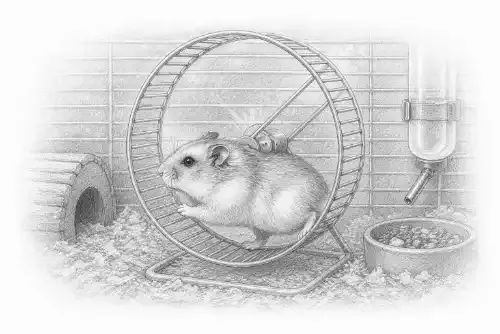
There is a particular silence that follows losing a small pet. The wheel that no longer turns at night. The rustle of hay that has gone quiet.
The cage that suddenly feels very empty.
If you are reading this because you have just lost a rabbit, a guinea pig, a hamster, a bird, or another small companion, please know that what you are feeling is real.
It is grief. And it deserves to be treated as such.
This guide covers everything you need to know - the practical steps, the aftercare options, the costs, and the grief that so many small animal owners are left to navigate alone because the world around them doesn't always understand.
The Grief Nobody Warns You About
There is something that happens to small animal owners that rarely happens to people who lose dogs or cats. Someone says something like "it was only a hamster" or "you can just get another one."
Sometimes it isn't even said out loud - it is just the absence of the acknowledgement that you expected. The lack of a card. The colleague who didn't ask how you were doing.
And so on top of the grief, there is something else - a quiet sense that you are not allowed to feel this much about an animal this small. You are allowed.
The bond between a person and a small pet is built in a different way to the bond with a dog or a cat, but it is no less real. Guinea pigs have distinct personalities. Rabbits learn routines and recognise the people who care for them.
Birds form deep attachments to their owners that can span decades.
Hamsters, despite their short lives, become tiny constants in the rhythm of a household - the sound of them, the feeding, the handling, the watching them go about their quiet world.
These animals trusted you completely. You were their whole world. The grief that follows losing them is proportionate to that love, not to their size. If the people around you don't understand, please know that you are not alone. The grief you are feeling is recognised, it is valid, and it is exactly what love looks like when it has nowhere left to go.
What To Do In The First Few Hours
Losing a small pet is often sudden. Many small animals are prey species, which means they instinctively hide signs of illness - owners often have very little warning before the end comes.
If your pet has died unexpectedly, the shock on top of the grief can feel overwhelming. Here is what matters in the first few hours - nothing more, nothing less. Give yourself a moment. There is nothing that needs to happen immediately. Take the time you need.
When you feel ready, move your pet somewhere cool and quiet. Away from direct sunlight and away from heat. Wrap them gently in something soft - a piece of cloth or a small blanket. This keeps things as peaceful as possible while you decide on next steps.
You do not need to call anyone immediately. Unlike larger animals, small pets do not need to be collected urgently in most cases. You have time to make decisions calmly.
If you have other small pets - particularly rabbits or guinea pigs - there is one thing worth knowing. These animals are highly social and form strong bonds with their companions.
Allowing a surviving companion to see and smell the body of their friend, if you feel comfortable doing this, can help them understand that their companion has gone. Many owners report that this leads to calmer behaviour afterwards, with less searching or signs of distress.
If your rabbit or guinea pig begins refusing food in the days after a loss, contact your vet - prolonged food refusal in these species can quickly lead to serious health complications.
If you have children in the household, our guide on helping children cope with pet loss may help you think through how to approach the conversation - particularly if this is their first experience of losing a pet.
Your Aftercare Options
There is no single right choice when it comes to what happens after a small pet dies. What matters is that the option you choose feels right for you, for your family, and for the companion you are saying goodbye to.
Individual Cremation
Individual cremation means your pet is cremated alone, in their own cremation cycle, and their ashes are returned to you. For many owners this is the most meaningful option - having the ashes back gives you something tangible to hold onto, to scatter in a meaningful place, or to keep.
Individual cremation for small animals is more affordable than for larger pets, and most reputable pet cremation providers offer a dedicated small animal service with the same standards of care and dignity they would give to any other pet. Your pet matters to them, regardless of their size.
Communal Cremation
Communal cremation means your pet is cremated alongside other animals and the ashes are not returned to individual owners. This is the most affordable option and is chosen by many owners when cost is a consideration, or when receiving the ashes back isn't something that feels important to them.
Garden Burial
For small pets, garden burial is one of the most natural and comforting options available - and in most cases it is completely legal in the UK for small domestic animals.
If you own your home, you are permitted to bury a small pet in your garden, provided the burial site is at least 10 metres from any watercourse or drain and at least 50 metres from a well or borehole used for drinking water. If you are renting, you will need your landlord's written permission.
The grave should be deep enough to prevent scavenging - a minimum of 60 centimetres of soil above your pet is recommended, and placing a heavy flat stone over the site for the first few months provides additional protection.
Wrap your pet in something natural and biodegradable - cotton, wool, or a dedicated biodegradable burial wrap. Avoid plastic of any kind.
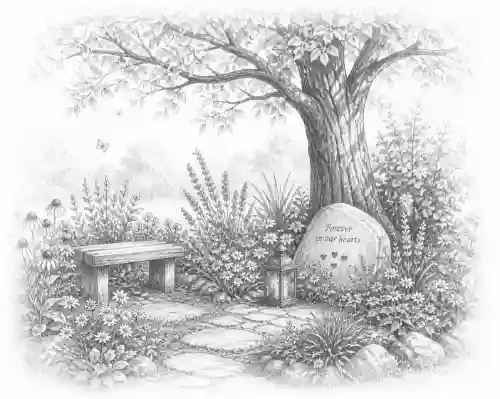
For many small animal owners, garden burial is the most peaceful option - their pet remains close, in the place they were loved, and a small memorial can mark the spot.
One thing worth thinking about before choosing garden burial is whether you own your home and intend to stay there. A garden burial is permanent - your pet's resting place stays with the property. If this might be a concern in the future, cremation with the option to keep or scatter the ashes may offer greater peace of mind.
What Does Cremation Cost for Small Animals in the UK?
This is one of the most common questions small animal owners search for, and it deserves a clear and honest answer. Costs vary depending on the type of cremation, the provider, and your location - but as a general guide for 2026:
Hamsters, gerbils, mice, rats, and very small birds - individual cremation from approximately £70 to £100. Communal cremation from approximately £30.
Guinea pigs and rabbits - individual cremation from approximately £75 to £160 depending on size and provider. Communal cremation from approximately £32 to £70.
Larger rabbits and birds such as parrots - individual cremation from approximately £100 to £175. Communal cremation from approximately £45 to £80.
These figures are a guide only, and costs can vary between providers and regions - London and the South East tend to be at the higher end of these ranges. Always ask your provider for a clear, itemised quote before agreeing to any service.
Going directly to a pet crematorium rather than arranging through your vet will often result in a lower cost, as some vets charge a handling or collection fee on top of the cremation price.
If cost is a concern, communal cremation is a dignified and respectful option. Your pet will receive exactly the same care - the only difference is that the ashes are not returned. There is no lesser farewell in choosing this route.
For a full guide to pet cremation costs across all pet sizes, our pet cremation cost calculator can give you an estimate based on your pet and location.
What to Do With the Ashes
If you have chosen individual cremation and received your pet's ashes back, you may find that the decision about what to do with them takes time - and that is completely fine. There is no rush and no right answer.
Some owners scatter the ashes in a favourite place - a corner of the garden where their rabbit used to roam, or outside a window where a bird liked to watch the world.
Others keep the ashes in a small urn or casket at home. Many providers offer a range of containers specifically designed for small animals - from simple scatter tubes to small engraved wooden caskets.
Biodegradable urns are another option - these can be buried in the garden and will break down naturally over time, returning your pet's ashes gently to the earth.
Living urns, which hold ashes alongside a seed or sapling that grows into a plant or small tree, are available for small pets and can be a beautiful way to create something living in their memory. These are available from several UK retailers and typically cost between £60 and £120.
A small memorial in the garden - a flat stone, a planted flower, a pot with their name - can also bring comfort without needing to make any decisions about ashes at all.
Memorials and Keepsakes
The loss of a small pet deserves to be marked, and there are many ways to do that - small, simple, and meaningful.
Paw print kits are available for small animals and can be done at home or through your vet or cremation provider. Many providers will include this as part of their service if asked in advance.
Memorial jewellery made from ashes is available for pets of any size - rings, pendants, and charms that hold a small amount of cremated remains. Given the smaller volume of ashes produced by a small animal, there is usually still enough for a keepsake piece if this feels meaningful.
A framed photograph, a small planted pot, a handwritten note - none of these need to cost anything. What matters is that the loss is acknowledged and the life is honoured, in whatever way feels right for you.
When This Is a Child's First Loss
Small animals are often a child's first pet. And for many children, losing them is their first experience of death - their first understanding that the people and animals they love do not stay forever.
This is one of the most important moments in a child's emotional development, and how it is handled can shape how they understand grief for the rest of their life. A few things that matter most.
Be honest with them, gently and age-appropriately - children sense when something important is being softened beyond recognition, and vague explanations can create more anxiety than the truth.
Avoid phrases like "gone to sleep" which can create genuine fear around bedtime for young children.
"Died" is a word children can understand and process, especially when it is said with warmth and care. Let them be involved if they want to be - choosing a burial spot, placing something in the grave, drawing a picture, or helping to plant a memorial flower. Involvement in a farewell gives children a sense of agency and something to hold onto.
Take their grief seriously. Being told "it was only a hamster" is a message a child carries. Showing them that this loss matters, that their feelings are valid, and that it is right to grieve teaches them something important about love and loss that they will carry with them far beyond this moment.
Our guide on helping children cope with pet loss goes into this in much more detail and may help you navigate the days ahead.
If You Are Struggling
The grief that follows losing a small pet can catch people completely off guard - particularly when the world around them doesn't seem to acknowledge it. The absence of the routines that surrounded your pet's care can leave a specific kind of emptiness that takes time to settle.
If you are finding it difficult, please know that support is available - and that there is no threshold of grief you need to meet before you are allowed to ask for help.
The Blue Cross

Pet Bereavement Support Line is free, confidential, and available every day from 8.30am to 8.30pm - 0800 096 6606. They understand the bond between a person and a small animal and will never make you feel that your grief is disproportionate.
The Ralph Site
A compassionate online community for people grieving the loss of any pet - www.theralphsite.com
Our Pet Loss Resources page has further support organisations and guidance for anyone navigating pet loss.
Questions Small Animal Owners Often Ask
Is it legal to bury a rabbit or guinea pig in my garden in the UK?
Yes - if you own your home, you can bury a small domestic pet in your garden. The burial site must be at least 10 metres from any watercourse and 50 metres from any well or borehole used for drinking water. The grave should be at least 60 centimetres deep. If you are renting, you need your landlord's written permission first.
Can I cremate a hamster individually and have the ashes returned?
Yes. Most pet cremation providers offer individual cremation for small animals including hamsters, and the ashes will be returned to you in a container of your choice. Individual cremation for a hamster typically costs from around £70 to £100 depending on the provider and location.
How much does it cost to cremate a rabbit in the UK?
Individual cremation for a rabbit typically costs from approximately £75 to £160 depending on the size of your rabbit, the provider, and your location. Communal cremation, where ashes are not returned, is available from around £32. Going directly to a pet crematorium rather than arranging through your vet will often result in a lower cost.
My surviving guinea pig seems very sad since their companion died - is this normal?
Yes - guinea pigs and rabbits are highly social animals and can experience genuine grief when a companion dies. Signs include lethargy, reduced appetite, and searching behaviour.
Allowing the surviving animal to see and smell the body of their companion before burial or collection can help. If your guinea pig refuses food for more than 12 to 24 hours, contact your vet, as prolonged food refusal in guinea pigs can lead to serious gut complications.
How do I tell my child that their small pet has died?
Be honest, gentle, and age-appropriate. Use the word "died" rather than softer phrases like "gone to sleep" which can create confusion or anxiety. Let them be involved in saying goodbye if they wish - choosing a burial spot, drawing a picture, or planting a memorial.
Take their grief seriously and avoid minimising the loss. Our full guide on helping children cope with pet loss has detailed guidance for different ages.
Do small pets get the same level of care in cremation as dogs and cats?
A reputable cremation provider will give your small animal exactly the same standard of care as any other pet. Your pet is not less worthy of dignity because of their size. If you have any concerns, ask your provider directly about their process for small animals - a good provider will welcome the question.
Other Guides You May Find Helpful
Pet Cremation Cost Calculator UK
Pet Cremation Costs What To Expect
Helping Children Cope With Pet Loss
What To Do When A Pet Dies (Quick Guide)
Pet Memorials, Remembrance And Keepsakes
Choosing A Pet Cremation Provider in The UK
How Pet Cremation Works In The UK (Step By Step Guide)
What To Do Next If Your Pet Has Just Died - Complete Guide
Coping With Pet Loss - How Long Does Grief Last and How To Heal
How to Know When It's Time - A Guide to Your Pet's Quality of Life
Need To Find A Pet Crematorium Near You?
If you have recently lost a pet and need to find a pet cremation service, Pet Loss Aftercare can help during this difficult time.
When you feel ready, you can browse pet cremation and aftercare providers by location to see what services are available in your area.
Pet Cremation Providers In England
- Bedfordshire
- Berkshire
- Bristol
- Buckinghamshire
- Cambridgeshire
- Cheshire
- Cornwall
- Cumbria
- Derbyshire
- Devon
- Dorset
- Durham
- East Riding of Yorkshire
- East Sussex
- Essex
- Gloucestershire
- Greater London
- Greater Manchester
- Hampshire
- Herefordshire
- Hertfordshire
- Isle of Wight
- Kent
- Lancashire
- Leicestershire
- Lincolnshire
- Merseyside
- Norfolk
- North Yorkshire
- Northamptonshire
- Northumberland
- Nottinghamshire
- Oxfordshire
- Rutland
- Shropshire
- Staffordshire
- Somerset
- South Yorkshire
- Suffolk
- Surrey
- Tyne and Wear
- Warwickshire
- West Midlands
- West Sussex
- West Yorkshire
- Wiltshire
- Worcestershire
Pet Cremation Providers In Scotland
Pet Cremation Providers In Wales
Pet Cremation Providers In Northern Ireland
Do you provide pet cremation services in the UK?
Pet Loss Aftercare - a resource created by pet owners, for pet owners 💛
Found this page helpful?



Created with ©systeme.io